
Summary
Realizing your spouse needs memory care what to do is deeply personal. Understanding your options, from recognizing signs to choosing the right community, can help you navigate this transition while preserving your relationship and supporting your spouse's wellbeing.
- Watch for daily care challenges, confusion, behavioral changes, and safety concerns that signal growing support needs.
- Memory care communities offer safety-enhanced neighborhoods, specialized training, and programs adapted to residents' abilities.
- Maintain your marriage through meaningful moments: share familiar experiences, visit regularly, and focus on connection beyond caregiving.
- Bring personal touches to your spouse's new space—photographs, favorite belongings, and shared memories of their life story.
- Explore financial resources like long-term care insurance, Veterans benefits, and Medicaid to understand costs and coverage options.
Realizing your spouse needs memory care can be heartbreaking. The person you've shared your life with may now need more support than you can comfortably provide at home. You may be wondering what comes next, how your relationship will change, and whether you're making the right decision.
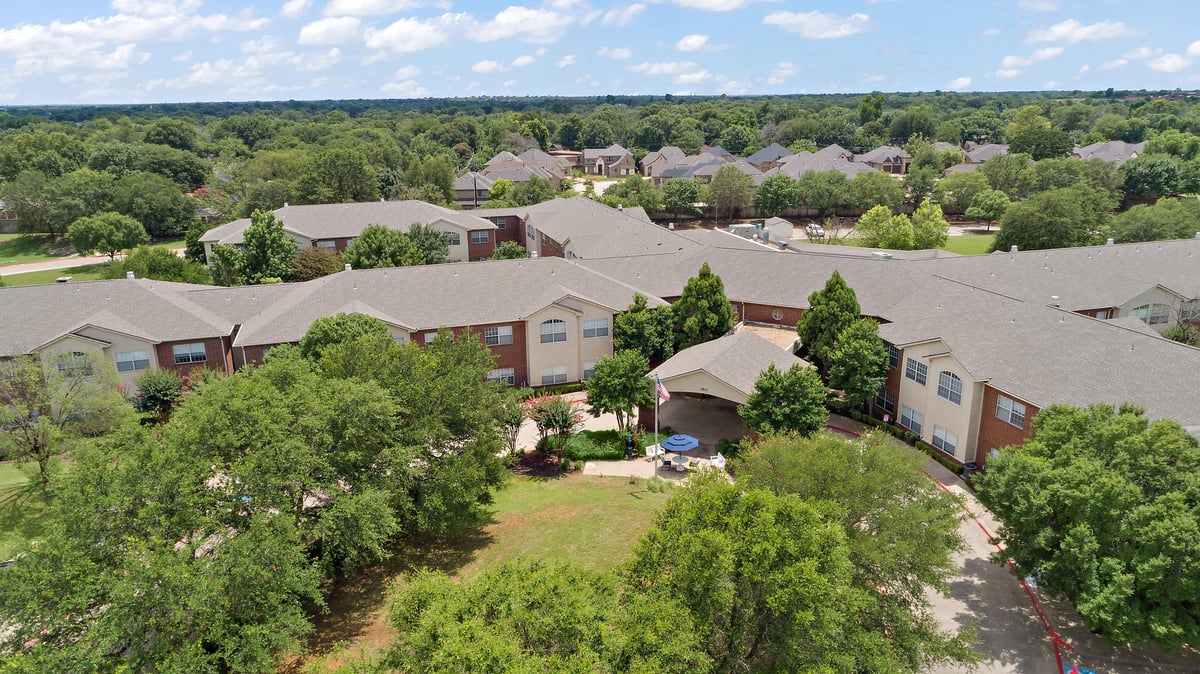
If you're searching for guidance on what to do when your spouse needs memory care, understanding your options can make the process less overwhelming. Arlington, TX, offers specialized dementia care communities, including Morada Lake Arlington, where personalized support can help your spouse maintain familiar routines and meaningful connections.
Recognizing When Your Spouse Needs Memory Care
The decision to explore memory care often follows months or years of increasing caregiving responsibilities. Changes may happen gradually, making it difficult to recognize when additional support is needed.
Common signs include:
- Daily challenges: Difficulty bathing, dressing, preparing meals, or managing medications.
- Confusion: Frequently losing track of time, becoming disoriented, or struggling in familiar surroundings.
- Behavioral changes: Increased anxiety, agitation, or noticeable personality changes.
- Safety concerns: Wandering, leaving appliances running, or experiencing frequent falls.
Many spouses hesitate to acknowledge when home care is no longer sustainable. Speaking with your spouse's doctor can help you understand their changing needs and determine whether specialized support is appropriate.
Understanding Memory Care Services in Arlington
Memory care communities provide environments designed for individuals living with Alzheimer's disease and other forms of dementia. These neighborhoods typically feature safety-enhanced layouts, predictable routines, specialized team training, and programs adapted to residents' cognitive abilities.
Morada Lake Arlington offers GLOW® Memory Care alongside Active Independent Living and Assisted Living. Its memory care neighborhood provides a setting where residents can receive individualized assistance while participating in programs that encourage engagement and connection.
When touring communities, ask how team members learn about residents' personal histories, respond to behavioral changes, and communicate with families. Understanding these approaches can help you determine which environment best suits your spouse.
Keeping Your Marriage Strong During Memory Care
Moving your spouse to memory care doesn't end your marriage or your role as their partner. Although your daily routines may change, you can continue sharing meaningful moments without managing every caregiving responsibility.
Keeping your marriage strong during memory care often means finding new ways to connect.
Consider these simple approaches:
- Share familiar experiences: Listen to favorite songs, look through wedding photographs, or revisit meaningful memories.
- Maintain comforting routines: Visit at familiar times, share meals when permitted, or enjoy quiet moments together.
- Focus on connection: Hold hands, offer reassurance, or simply enjoy one another's company.
Some days may feel easier than others. Your spouse's ability to communicate or respond may change, but your relationship can still include affection, companionship, and meaningful experiences.
Practical Steps for Moving Your Spouse to Memory Care
Once you've decided to explore specialized support, careful preparation can make the transition more manageable.
Visit several Arlington communities to compare their environments, programs, and pricing. Ask about daily routines, family involvement, and how personalized support changes as residents' needs evolve.
When preparing your spouse's apartment, bring familiar photographs, favorite belongings, and meaningful decorations, subject to community guidelines. These personal touches can help create a comfortable environment.
Share your spouse's preferences, interests, and life history with the care team. Knowing their favorite music, preferred routines, and meaningful traditions helps team members understand the person beyond their diagnosis.
Coping When Your Spouse Has Dementia
Coping when your spouse has dementia can bring complicated emotions, including sadness, guilt, frustration, and relief. These feelings may continue after your spouse moves into a memory care community.
You might miss everyday conversations or feel uncertain about your changing responsibilities. Giving yourself permission to acknowledge these emotions is an important part of adjusting.
Helpful sources of support include:
- Spousal support groups: Connect with others who understand the experience of loving someone living with dementia.
- Individual counseling: Discuss grief, relationship changes, and emotional challenges with a qualified professional.
- Family and friends: Accept help with errands, household responsibilities, or companionship when needed.
Remember that caring for your own well-being allows you to remain involved in your spouse's life while maintaining your health and personal relationships.
Financial Planning for Memory Care
When your husband or wife needs dementia care, understanding the financial commitment is another important step. Memory care generally costs more than other senior living options because of specialized support, supervision, and programming.
Potential resources include long-term care insurance, eligible Veterans benefits, and certain Medicaid programs. Coverage and eligibility vary, so review your options with a qualified financial advisor.
Morada Lake Arlington offers several suite floor plans, allowing families to explore different layouts and pricing. Ask which services are included in monthly fees and whether additional charges may apply.
Finding Support at Morada Lake Arlington
Choosing memory care for married couples involves more than finding appropriate assistance. It's also about preserving the relationship you've built together.
At Morada Lake Arlington, GLOW® Memory Care emphasizes personalized experiences, familiar routines, and each resident's unique life story. The community's welcoming atmosphere and thoughtful approach can help families remain connected throughout this transition.
Schedule a tour of Morada Lake Arlington to explore GLOW® Memory Care, meet the team members, and discuss how your spouse's individual needs can be supported.