
Summary
Discovering the memory care vs. assisted living differences helps families find the right support for a loved one living with dementia. While both provide help with daily activities, memory care offers specialized training, secure environments, and cognitive support that general assisted living doesn't.
- Memory care team members receive specialized training in dementia communication, behavior understanding, and person-centered support tailored to cognitive changes.
- Memory care neighborhoods feature secure design elements like clear signage, safe walking paths, and personalized memory boxes to support orientation and reduce wandering concerns.
- Structured daily programming in memory care—including music, reminiscence activities, and gentle movement—is designed around individual abilities and interests rather than general activities.
- Enhanced safety measures include regular wellness checks, medication assistance, personalized supervision plans, and mealtime support specific to dementia-related challenges.
- Family education and ongoing communication help relatives understand changing needs and share personal details that strengthen care and connection.
Choosing the right support for a loved one living with Alzheimer's or another form of dementia starts with understanding the memory care vs. assisted living differences. Both offer help with daily routines, but memory care provides specialized support for people experiencing cognitive changes.
From team training to daily programming, understanding what sets memory care apart can help Arlington, TX, families find an environment that meets their loved one's needs.
Here are six important differences to consider.
1. Specialized Team Training in Dementia Care
Memory care team members receive training focused on supporting residents living with Alzheimer's and other forms of dementia. Their approach goes beyond everyday tasks to understand how cognitive changes affect communication, emotions, and behavior.
Training often includes:
- Communication techniques: Using simple language, patience, and reassuring gestures.
- Understanding behavior: Recognizing situations that may cause confusion or distress.
- Person-centered support: Respecting each resident's background, preferences, and routines.
- Gentle redirection: Helping residents feel comfortable when situations become overwhelming.
Assisted living team members also provide personalized assistance, but memory care training focuses more specifically on dementia-related needs.
2. Secure, Thoughtfully Designed Environments
A familiar, easy-to-navigate environment can make everyday life more comfortable for someone experiencing memory loss. Memory care neighborhoods often incorporate design features that support orientation, comfort, and safety.
Common Memory Care Design Features
- Secure entrances and exits to reduce unsafe wandering.
- Clear signage, visual cues, and recognizable landmarks.
- Comfortable lighting and contrasting colors to improve navigation.
- Walking paths and shared spaces that encourage movement.
- Personalized memory boxes outside apartment homes to help residents recognize their surroundings.
These features distinguish memory care from traditional assisted living, where residents generally require less supervision related to cognitive changes.
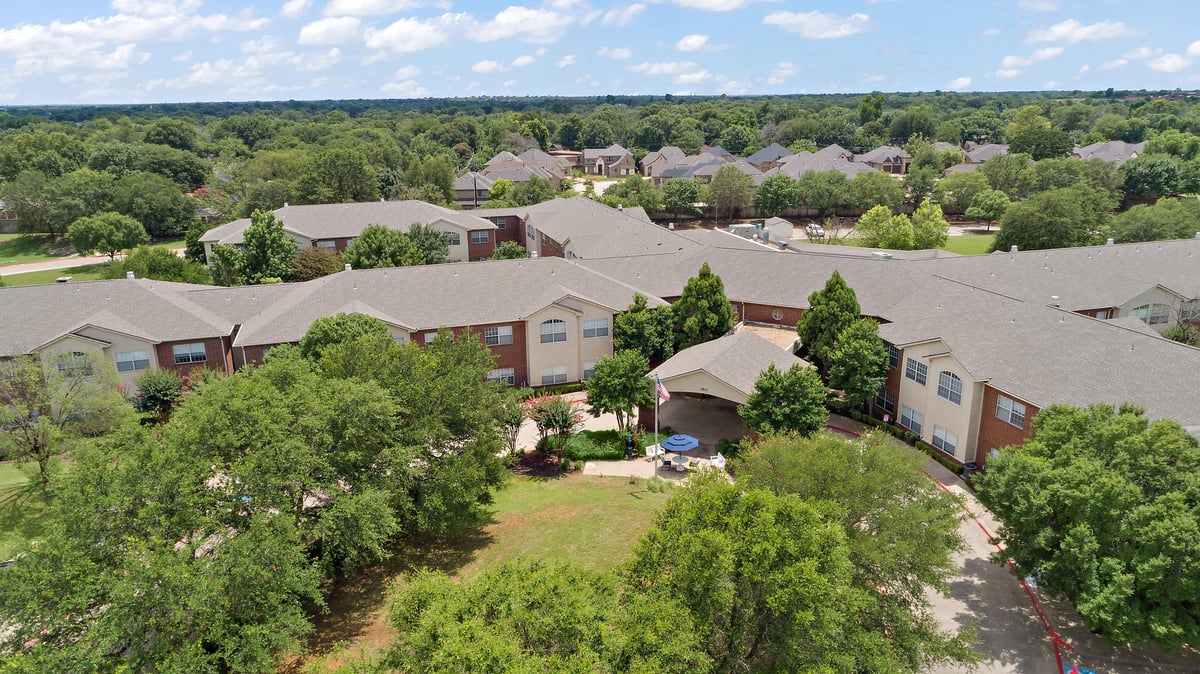
At Morada Lake Arlington, families can explore GLOW® Memory Care options alongside Assisted Living and Independent Living when considering their loved one's needs.
3. Structured Daily Routines and Programming
Predictable routines can help residents living with dementia feel more comfortable throughout the day. Unlike general assisted living events, specialized dementia care programs are designed around individual cognitive abilities, interests, and preferences.
Programming may include:
- Music and familiar songs that encourage connection.
- Reminiscence programs involving photographs and personal stories.
- Gentle movement adapted to different abilities.
- Hands-on experiences that encourage participation.
- Small-group programs that provide opportunities for social connection.
Supporting Familiar Routines
The goal of cognitive support in memory care isn't to test someone's abilities. It's to create meaningful moments that recognize what each person enjoys and can comfortably do.
Consistent schedules also help residents know what to expect while allowing flexibility for changing needs.
4. Additional Safety Measures and Wellness Support
Safety is another important consideration when comparing memory care vs. regular assisted living. Someone living with dementia may struggle to recognize hazards, communicate discomfort, or remember when they need help.
Common memory care features and benefits include:
- Regular wellness checks throughout the day and night.
- Medication assistance based on individual needs.
- Personalized safety and supervision plans.
- Team members available to provide reassurance and guidance.
- Mealtime reminders and assistance with eating and drinking.
These measures help address cognitive challenges while respecting each resident's dignity, preferences, and abilities. Families should ask communities how they handle supervision, medication support, and individual safety plans.
5. Family Education and Ongoing Communication
A dementia diagnosis affects the entire family. As a loved one's needs change, relatives may have questions about communication, daily routines, and future support.
Memory care communities often help families through:
- Educational resources about Alzheimer's and related dementias.
- Regular updates about residents' changing needs.
- Opportunities to share personal histories and preferences.
- Individualized support plans developed with input from the family.
Why Family Involvement Matters
Families know the small details that make their loved one feel comfortable, from favorite music to familiar mealtime habits. Sharing this information helps team members build stronger connections and create more meaningful daily experiences.
6. Specialized Dining and Nutrition Support
Mealtimes can become challenging for someone experiencing cognitive changes. A resident may forget to eat, struggle to use utensils, or feel distracted in a busy dining room.
Memory care dining approaches may include quieter settings, familiar foods, adaptive utensils, and gentle reminders. Team members can also provide assistance while encouraging residents to participate as comfortably as possible.
At Morada Lake Arlington, families considering senior living options can ask how dining routines and personalized support differ between Assisted Living and Memory Care.
Choosing Between Memory Care and Assisted Living in Arlington, TX
Understanding the differences between memory care and assisted living can make a difficult decision feel more manageable.
Assisted living generally focuses on help with daily tasks, while memory care adds dementia-specific programming, environmental considerations, and individualized cognitive support.
The right choice depends on your loved one's current needs, comfort, and safety.
Schedule a tour of Morada Lake Arlington to explore the community's Assisted Living and Memory Care options, ask questions about daily support, and discover which environment may be the right fit for your family.